March 24, 2026
PROACT: Designing for Trust in Genetic Risk Communication
A Q&A with Dr. Allison Kurian and Dr. Jennifer Caswell-Jin
Building a Brand for One of Healthcare’s Hardest Conversations
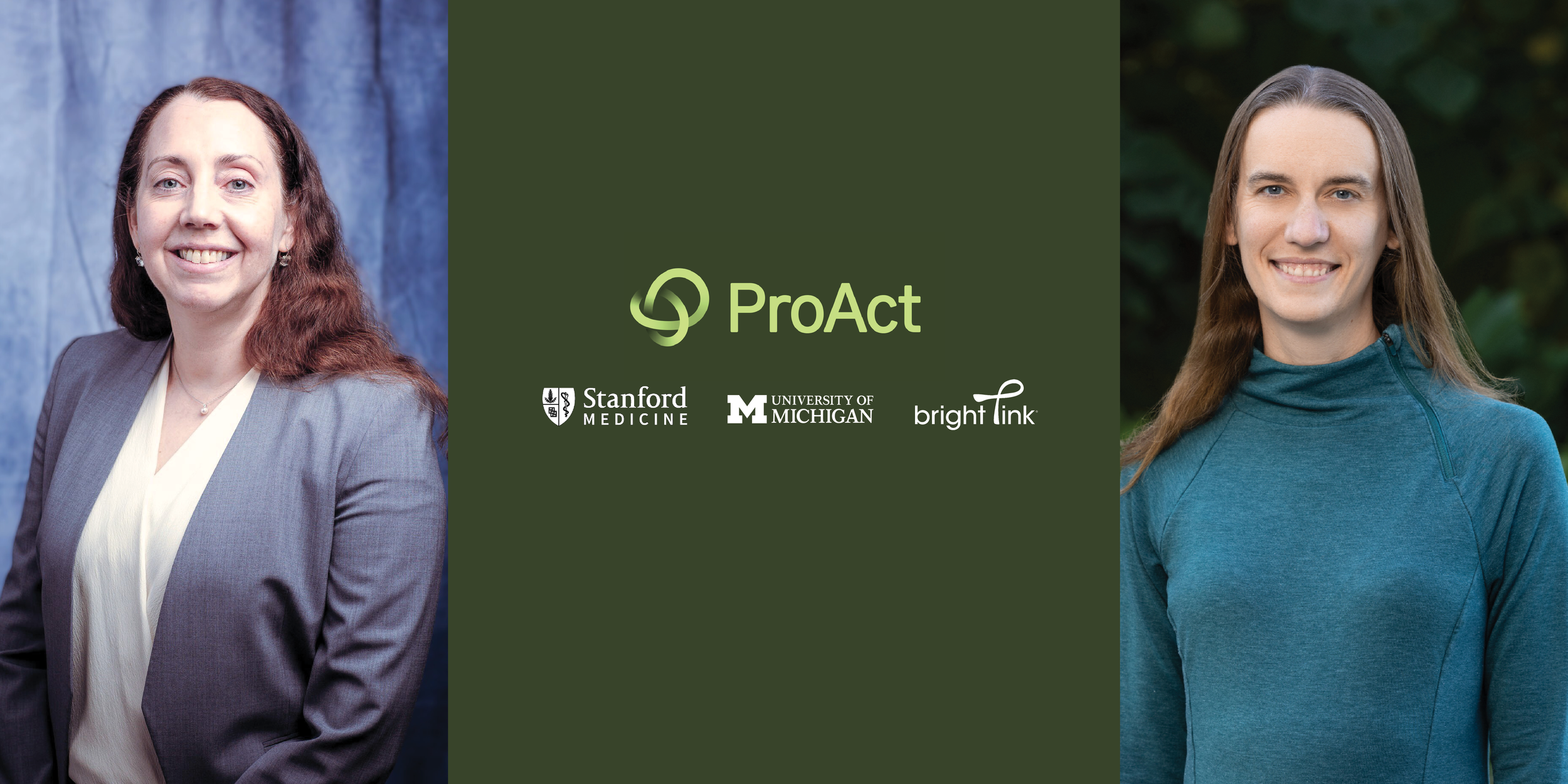
Dr. Allison Kurian and Dr. Jennifer Caswell-Jin
Stanford University Medicine, Co-Principal Investigators for PROACT
Helping families act on inherited genetic risk means designing for one of the hardest moments in healthcare: the moment information becomes personal.
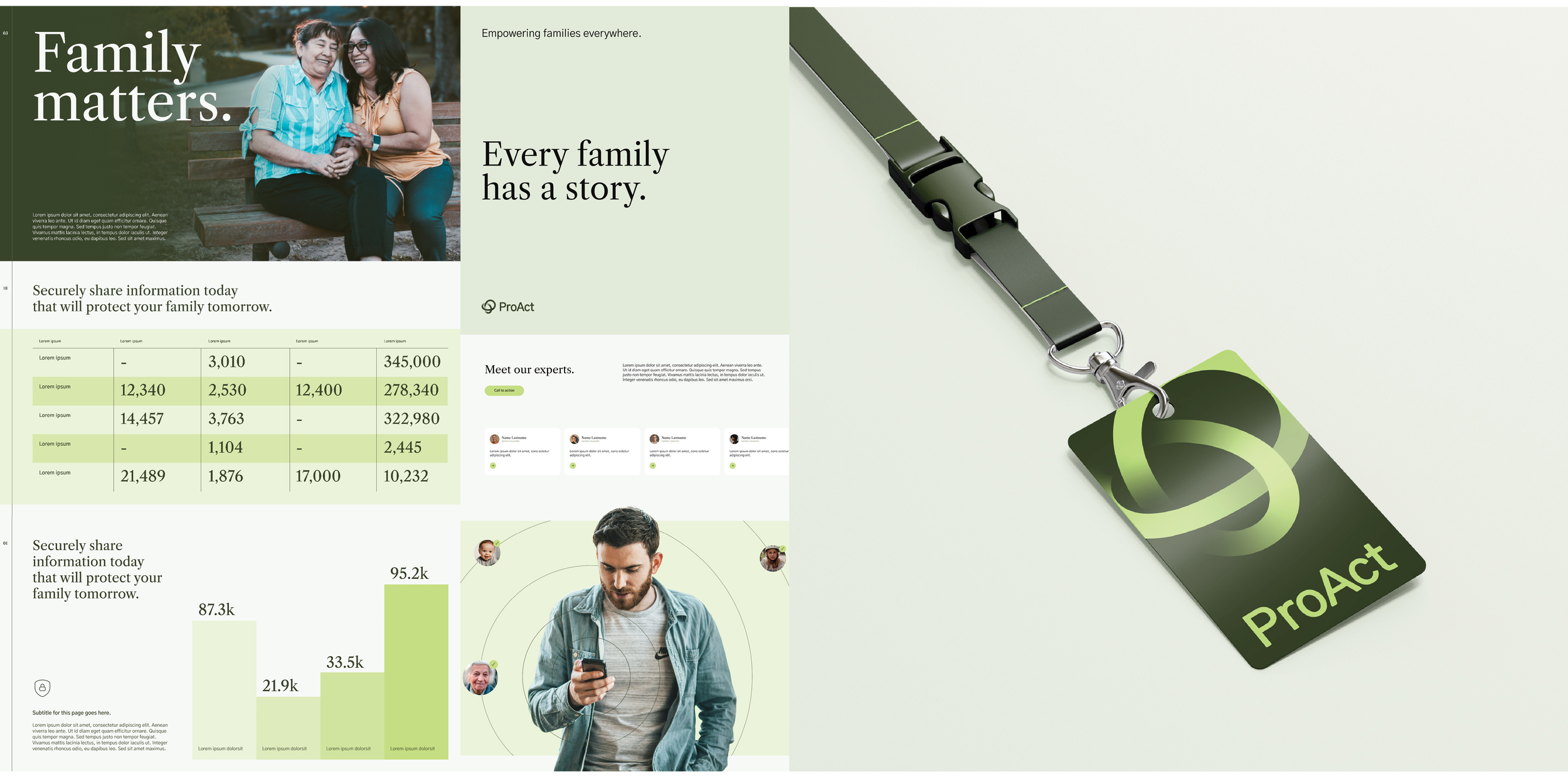
PROACT is a platform built to help families navigate inherited genetic risk with more clarity and confidence. Its aim is simple and profound: make it easier to share life-changing information with relatives who may also be at risk—so fewer lives are lost to silence. Through thoughtful guidance and a more human digital experience, PROACT helps people move from uncertainty to empowerment.
Our partnership with PROACT has centered on a critical challenge: how to communicate something medically complex, emotionally charged, and potentially life-saving in a way that feels trustworthy, calm, and actionable.
Merit Strategy & Operations Lead, Christine Dormeier, recently spoke with Dr. Allison Kurian and Dr. Jennifer Caswell-Jin, co-principal investigators of PROACT and professors at Stanford Medicine, about their vision for the platform, what surprised them in the process, and how brand design can help families better understand and act on genetic risk.
Christine: Hello Dr. Kurian and Dr. Caswell-Jin. Thank you both so much for sharing your time to reflect on our work so far. To get started, can you tell us a bit about your roles and your vision for PROACT?
Dr. Allison Kurian: Jennifer and I are co–principal investigators on PROACT, co-leaders on this initiative. I’m a Professor of Medicine and Epidemiology & Population Health at Stanford, and my career has largely focused on cancer treatment and prevention.
A lot of my career has been describing the problem. PROACT is one of the first real efforts to build a solution. At this stage in my career, that feels especially meaningful, thinking about what kind of long-term impact I want to have.
Dr. Jennifer Caswell-Jin: Yes, and I’m an Assistant Professor of Medicine at Stanford, and like Allison, a major part of my clinical practice is in the cancer genetics clinic, where we get to tackle this problem of making sure people get tested and have access to the information they need to make use of that test result.
Similar to Dr. Kurian, this is the first solution-focused work that I've done in academic medicine. We do a lot of trying to understand what's really happening in the real world, what's effective, what's working, what isn't working. And now we're getting to dive into this exciting moment when we can leverage new technology and channels to reach people. This is our chance to apply it to the problem that we are trying to solve in the clinic every day.
“We’ve spent our careers learning how to listen to patients… But bringing that same level of care into a different medium requires a different kind of expertise.”
Christine: When you first began thinking about branding, what challenges were you hoping to address?
Dr. Caswell-Jin: This was all very new for us. We have a strong sense of how to communicate with patients and families. We have deep domain expertise in how to talk about these issues in a clinical setting.
But translating that into something that feels professional, trustworthy, and effective in a digital environment was a completely different challenge. What really stood out throughout the process was how often my initial intuitions didn’t fully translate. Being able to see how the Merit team approaches it really systematically, with the user research giving us answers about what is the best, safest signals and signs for people to process this information—I think your team has been fabulous at approaching that in a really clear-sighted way.
Dr. Kurian: As doctors of internal medicine, we’ve spent our careers learning how to listen to patients, interpret their narratives, figure out where something is wrong, and shape the narrative in a conversation. But bringing that same level of care into a different medium requires a different kind of expertise, and that was a big realization for us. And your team brought the professionalism that made it so much better, something I haven’t had the privilege to see before.
Christine: In our work together, were there any parts of the process that were particularly helpful in shaping the direction?
Dr. Caswell-Jin: The audience feedback work was especially eye-opening. You helped us define who we needed the brand to resonate with, and then actually went out and found people who identified themselves in those profiles and then you presented the brand to them and got their real, honest and open feedback. It’s just something I never would have thought to do. We probably would have asked our own patients, which isn’t quite the same thing. Seeing how you structured that process and used it to inform decisions was incredibly valuable.
Dr. Kurian: I agree, at first, some of the tools—like thinking about specific audience archetypes—felt a bit abstract. I remember wondering why I needed to think about a specific persona. But over time, it became very clear how memorable and important it was in shaping the direction of the brand.
“You helped us define who we needed the brand to resonate with, and then actually went out and found people who identified themselves in those profiles and then you presented the brand to them and got their real, honest and open feedback.”
Christine: When we conducted audience feedback testing on the brand concept, was there anything that surprised you or felt especially validating?
Dr. Caswell-Jin: The skepticism with AI was good to be reminded of. It wasn’t necessarily surprising, but it was an important reminder of how people are feeling right now and how that context shapes how they receive information. And since we’re building an AI-powered tool, it was an important reminder to consider how people might feel about this tool in the context of AI.
Dr. Kurian: At the same time, it was encouraging to see signals of trust. Going into this, I was concerned that people might immediately dismiss something coming from academic or medical institutions—that there might be a sense of distance or distrust.
But instead, what we saw suggested that there is an opportunity to connect, if we approach it in the right way. That felt really important. It reinforced that there may be an opportunity to connect, but let's just make sure we take the best approach with the right voice, tone, and style. So I was encouraged that there seemed to be a path to communication and that we were not just blocked out because of who and where we are.
“As people who are trained to listen carefully, we really appreciated how your team received our feedback. There was a genuine effort to understand not just what we were saying, but the context behind it.”
Christine: How would you describe the experience of working together with our team?
Dr. Kurian: The experience has been extremely collegial. As people who are trained to listen carefully, we really appreciated how your team received our feedback. There was a genuine effort to understand not just what we were saying, but the context behind it.
It felt like there was a strong respect for the environment we operate in—we represent science and medical care, and our perspective was consistently honored throughout the process.
Dr. Caswell-Jin: At the same time, it felt like a true exchange. We came in expecting to learn from you, but it was clear that you were equally interested in learning from us. That created a dynamic that felt collaborative rather than transactional.
In some ways, it felt like a cross-cultural experience—not in the traditional sense, but in terms of how different disciplines approach problems. And that made the work stronger.
“It was sort of like a spell. The brand put people in a different mind space—a mind space that is receptive, open, and calm. It was exciting to witness and very powerful.”
Christine: As the PROACT brand takes shape, what feels most meaningful or exciting?
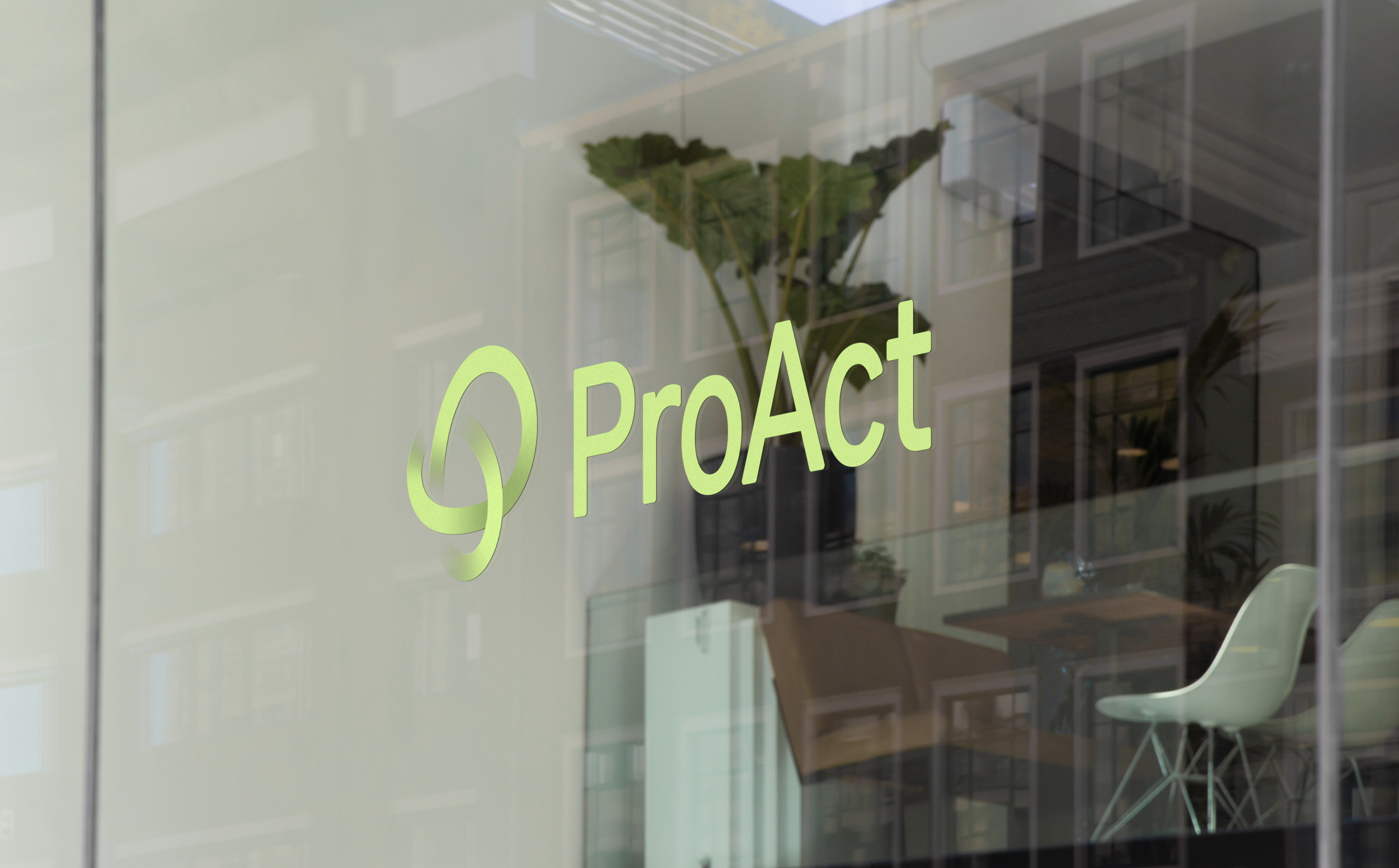
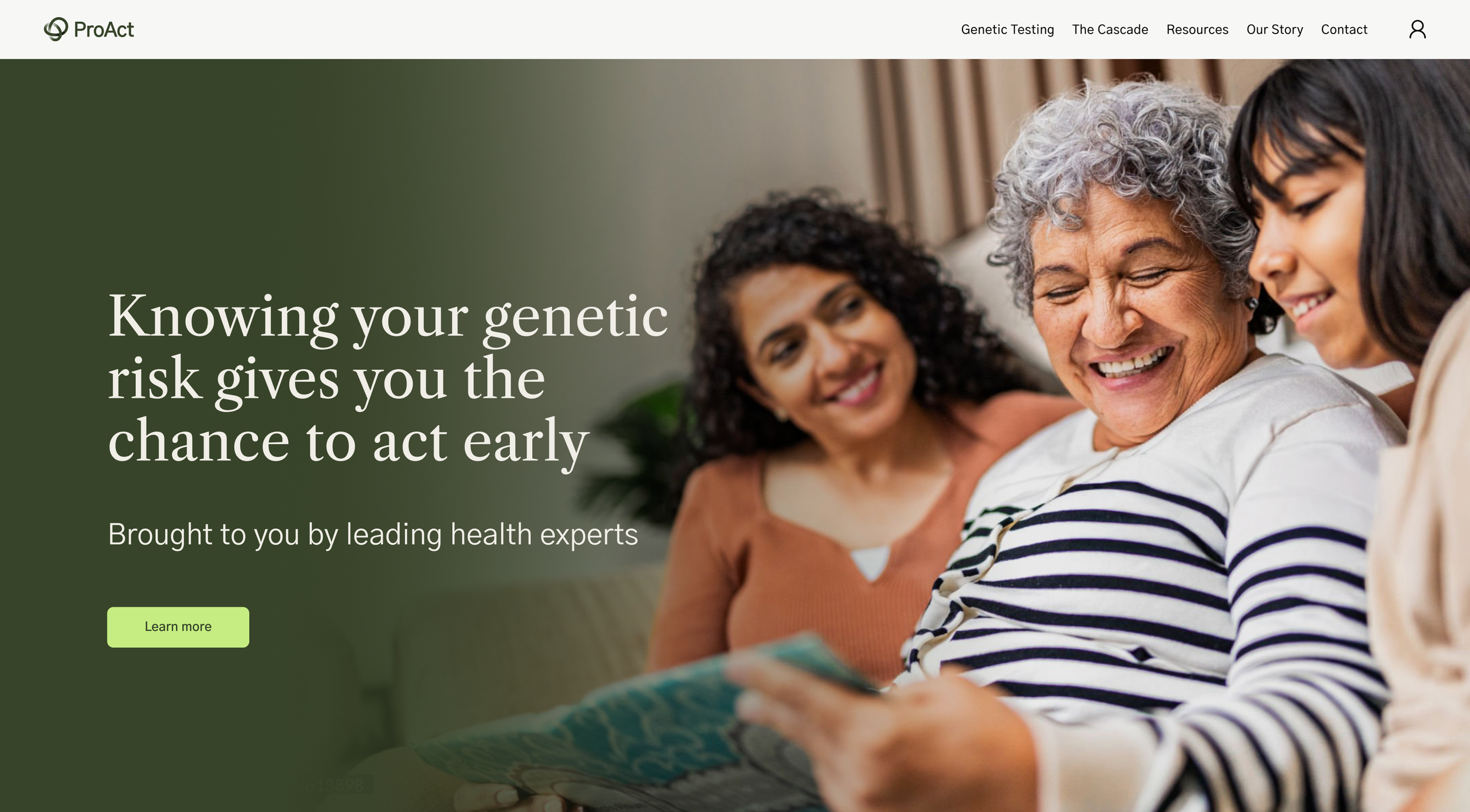
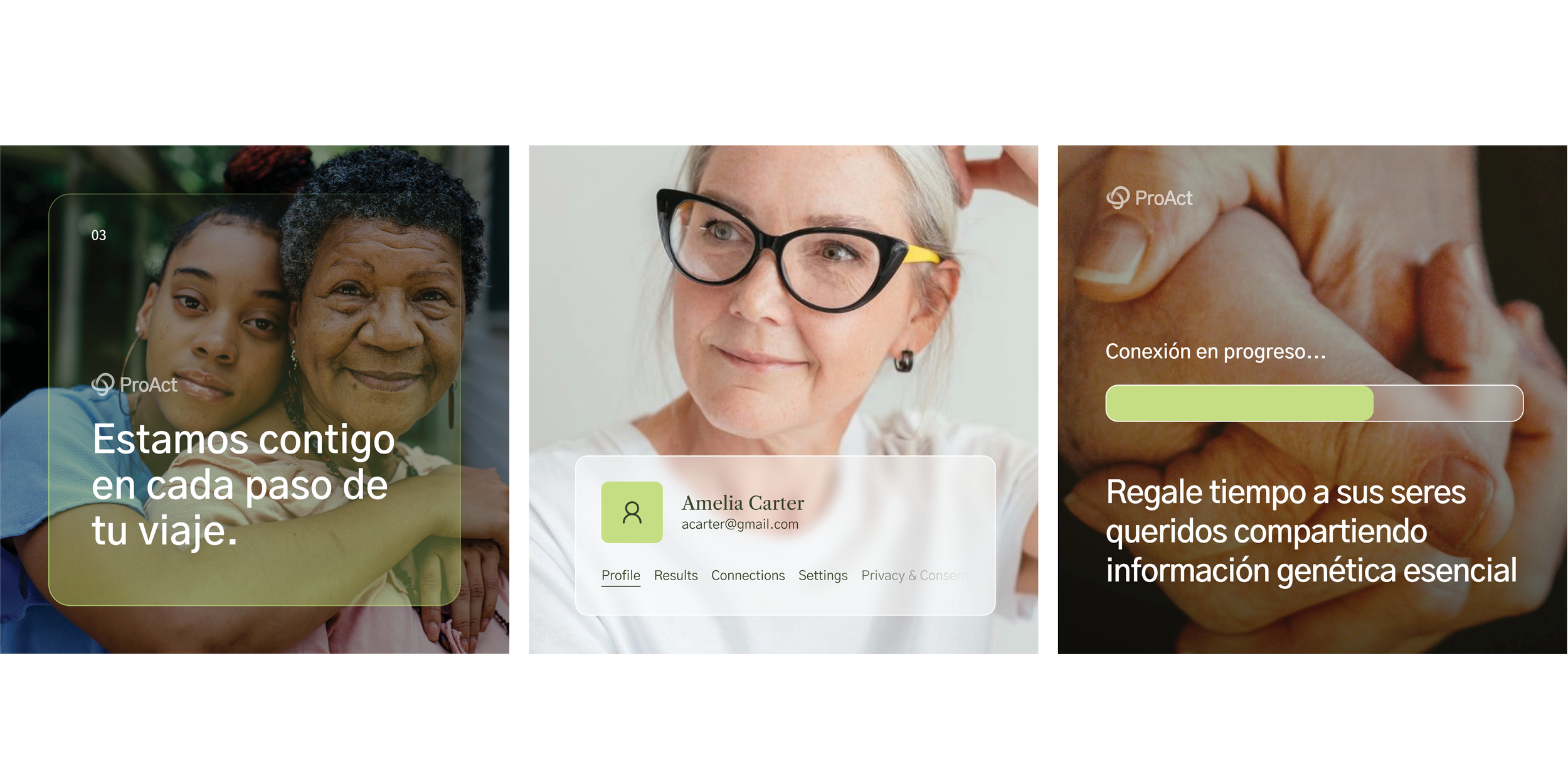
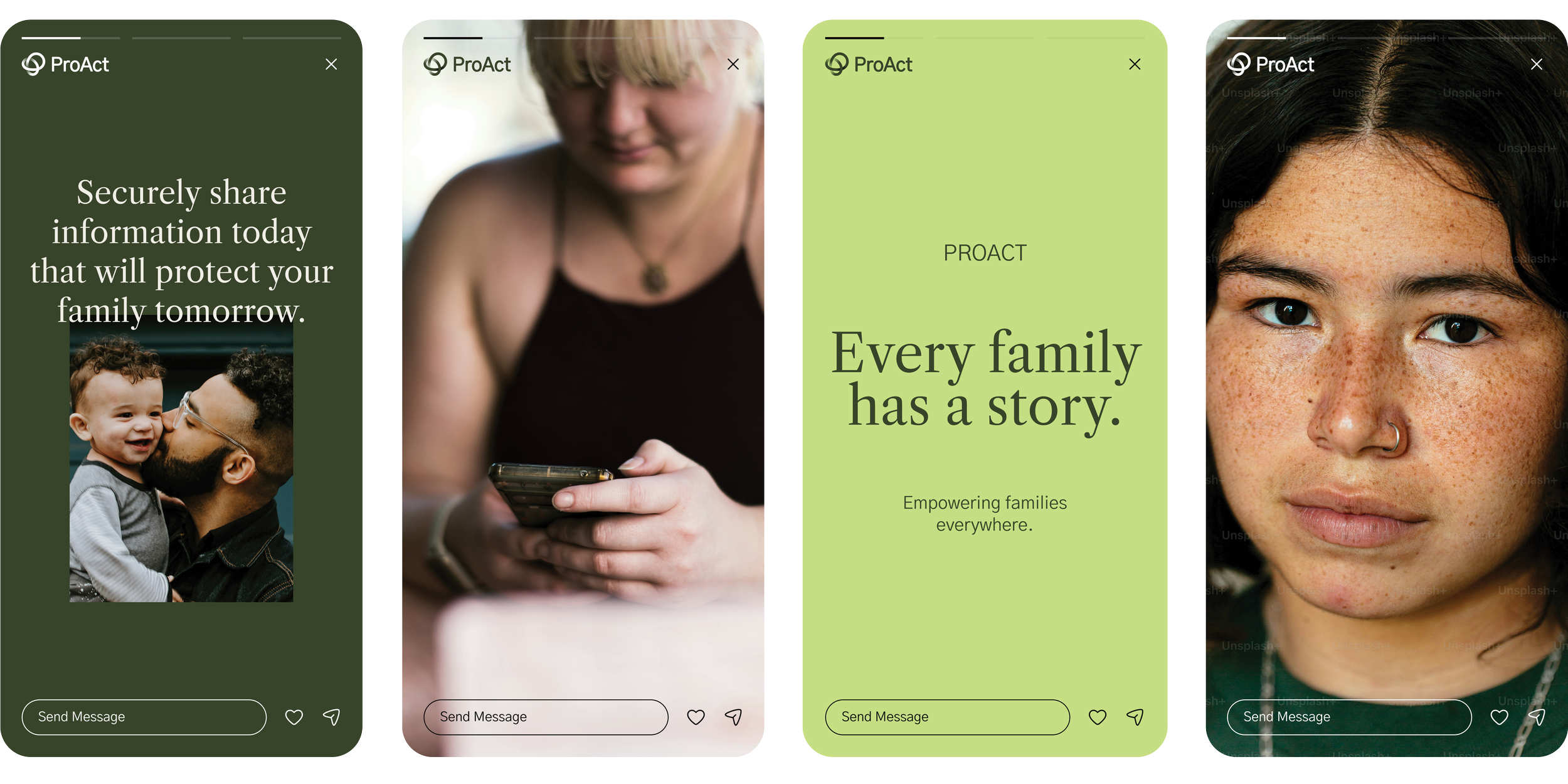
Dr. Kurian: There was a moment during a recent board meeting where the Merit team presented the visual system with the colors, the imagery, the overall tone, and the mood in the room changed. It was quite remarkable, really. It was sort of like a spell. It put people in a different mind space—a mind space that is receptive, open, and calm. It was exciting to witness and very powerful.
Dr. Caswell-Jin: I mean, genetic risk is a topic that can be a very anxiety provoking, stressful concept for people to be facing without a clinician standing by them walking them through it. We’re asking people to think about cancer risk.
And the brand has this calming and empowering effect that reassures them it’s going to be ok. There are things we can do. This is powerful information. It doesn’t have to be devastating. The brand gives a sense of calm, confident hope. I think that’s what you guys have been building.
Christine: That’s so great to hear, thank you. My final question—looking back, what advice would you give yourselves at the start of this process?
Dr. Caswell-Jin: Trust the professionals. It’s been a remarkable experience to see how this kind of brand work comes together. We don’t often get visibility into how branding and communication systems are built, and seeing that process up close has been both educational and inspiring.
Dr. Kurian: Yes, it’s more important than you think. It’s not just about aesthetics—it’s about how people receive and act on information that can have real consequences for their health.
It also feels like a privilege—to be part of something that brings together different kinds of expertise in service of a shared goal.
Christine: Thank you both so much. Working with you on PROACT has been such a meaningful experience for our team. This is the kind of work that stays with you—because it has such clear purpose, and such real potential to help people navigate difficult, deeply personal decisions with more confidence and support. We’re truly grateful to be on this journey with you, and proud of what we’ve created together.